Simple Life
How living the simple life changed my life
Books may offer comfort, but it’s real life that teaches us. And through living simply, I’ve learned lessons no book could teach.”
From that experience, I want to share some amazing benefits I’ve found in living the simple life.
Before I adopted a minimalist lifestyle, I was constantly chasing after more—more stuff, more experiences, more success. I thought that the more I had, the happier I would be.

My closet was overflowing with clothes I never wore. My home was cluttered with gadgets I didn’t need. My calendar was packed with events I didn’t even enjoy.
I was burned out, stressed, and disconnected from what truly brought me joy. In these materialistic things, I actually got stuck—and found myself lost and unhappy.
It wasn’t until one quiet evening, sitting in my living room surrounded by piles of things, that I realized something profound: I was living a life of excess—and it was stealing my peace.
That’s when I understood what living the simple life really means. It’s not about depriving ourselves, but about focusing on what truly matters. It’s about cutting out the unnecessary and embracing clarity, balance, and peace in every part of life.
It’s about finding joy in the basics—like meaningful relationships, time for self-care, and the freedom to live intentionally.
I made a decision that night to simplify my life—physically, mentally, and emotionally.
That’s when I began to simplify—and everything changed.
I realized I didn’t need more clothes; I just needed the right ones.
This shift in mindset transformed how I shop and dress. Now, I focus on pieces that truly work for me and my wallet.
Here are 10 clothing essentials that have helped me live better with less—and save big money in the process.
1. How I Found Peace and Freedom by living the Simple Life
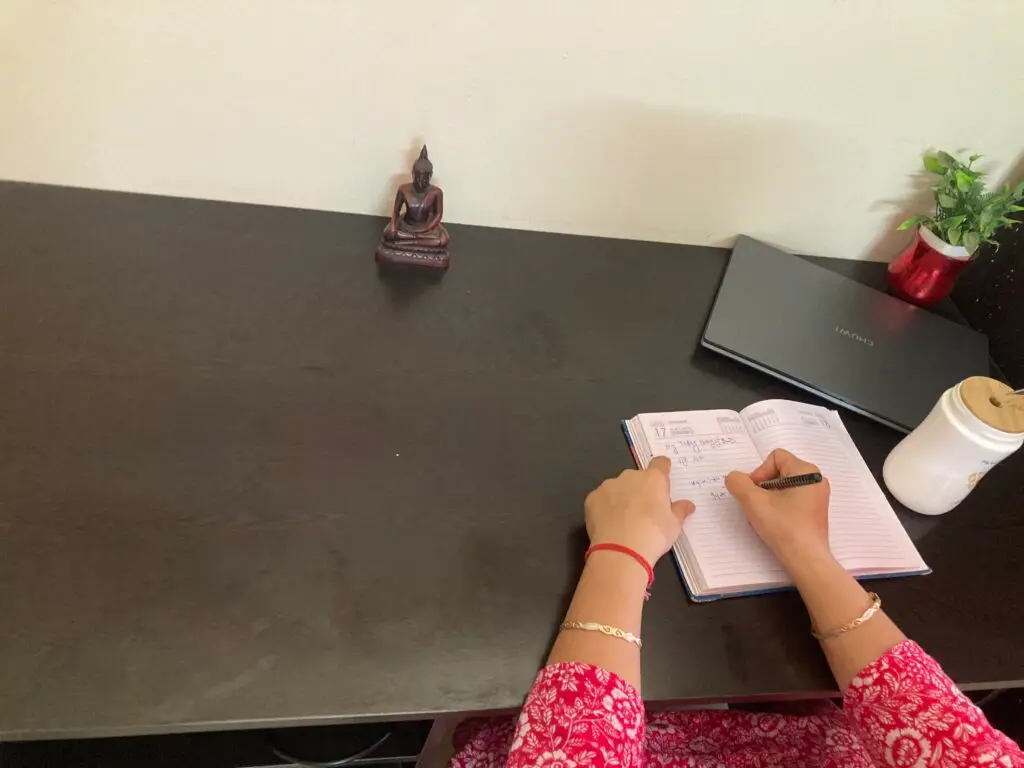
To live a happy life, you need to have a good daily routine and know what your body demands from you, mentally, physically and emotionally. I started understanding this so I focus on planning my simple daily routine from morning till evening. I kick of all those things from my routine that are artificial and creating hurdles in living the simple life.
“Simple and Effective Daily Routine gave me a peace and save my money”
A simple daily routine can be a powerful tool for reducing stress and increasing happiness. By creating a structure that aligns with your values and priorities, you can make each day more intentional and productive. The key is consistency, not perfection.
How to Simplify Your Routine
- Morning routine: Start your day with 10 minutes of mindfulness or journaling to set your intentions.
- Prioritize your tasks: Focus on the most important tasks first, leaving room for flexibility.
- Evening routine: Wind down with a calming activity—reading, stretching, or reflecting on the day.
For more on creating a routine that works for you, explore our Guide to Building a Simple Morning Routine.
2. Disorganization in your space and mind can hold you back from living simply.
Usually, we feel relaxed after returning home from the office, but that wasn’t the case for me. Every time I reached home, I felt suffocated, but I couldn’t understand why. One day, I took a deep breath and tried to figure out why I couldn’t find peace in my own home. I looked at every corner of my house and realized the reason: decluttering.
The foundation of a simple life begins with decluttering—whether it’s clearing your thoughts or material possessions. A cluttered environment and chaotic mind can lead to mental and emotional overwhelm. When your surroundings are in disarray, it’s hard to focus and feel at peace. By simplifying your space, you create an environment that nurtures calm and clarity. It’s essential to keep your surroundings organized and well-arranged.
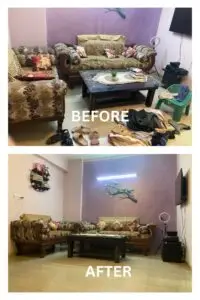
I started with decluttering my space. Then, I created a daily routine that honored my priorities. Slowly, I began practicing mindfulness and learned to say no to things that no longer served me. Over time, I saw my stress levels drop, my happiness increase, and my relationships deepen.
Today, I still cherish the things that truly matter to me, but I no longer feel the need to chase after more. I’ve discovered that less really is more—and it’s a journey I’m so grateful I started. Here’s how you can begin your own path to simplicity and happiness.
How to Get Started
- Begin small: Tackle one area at a time (start with your desk or a single drawer).
- Evaluate your items: Keep only what is necessary or brings you joy. Everything else can go—donate, sell, or recycle it.
- Create intentional spaces: Designate areas in your home for specific activities (e.g., a cozy reading nook, a clutter-free workspace).
To dive deeper into decluttering your space, check out our Ultimate Guide toDecluttering Your Home.
3. Embrace Mindfulness: Savor the Present, Live Fully in the Moment
Mindfulness is the art of being fully present, and it’s one of the simplest yet most effective ways to enhance happiness. When you live mindfully, you stop rushing through life, and instead, you savor each moment. This shift in focus can help you appreciate the small things that bring joy, from a warm cup of coffee to the laughter of loved ones.
Let’s share a story from my own experience with mindfulness.
One day, I was feeling really overwhelmed. I had a lot of tasks on my plate and wasn’t managing my time well. I was walking through the park, thinking about all the things I should be doing, when I realized I wasn’t even really there. The trees, the sound of the wind, the people walking by—it all seemed distant because my mind was racing elsewhere.So, I decided to stop for a moment, sit on a bench, and focus on what was around me. I closed my eyes for a minute and just listened. The chirping of birds, the soft rustle of leaves, the distant hum of the city—it was all so calming. I took a few deep breaths and felt the cool air on my skin. Then, I just let myself experience it all, without thinking about my to-do list.
In that moment, I wasn’t worried about the future or stressed about tasks. I was just present. And, in that space, the weight of everything seemed to lift. I found peace in the present moment, and it helped me reset my mindset for the rest of the day.
That moment reminded me of how easy it is to forget about being present, and how powerful it is to take a pause, especially when life gets busy. Mindfulness doesn’t have to be some big, elaborate practice—it can be as simple as taking a minute to truly experience the moment you’re in.
How to Practice Mindfulness
- Mindful breathing: Take 5 deep breaths throughout the day to center yourself.
- Mindful eating: Slow down and savor each bite, appreciating the flavors and textures.
- Mindful walking: When you walk, notice the sensations of your feet touching the ground and the sounds around you.

Mindfulness can be practiced in all areas of your life, including relationships, work, and even simple tasks. For more mindfulness tips, read our post on Mindfulness Practices for a Simple Life.
4. Imperfection helps me in living the simple life
You must be wondering how imperfection can help in living in the simple life but this is true. Perfectionism can hold you back from living a simple and happy life. The constant need to get everything “just right” can lead to stress, burnout, and disappointment. Instead, focus on doing your best and embracing imperfections along the way. Life is messy, and that’s perfectly okay.
Let’s understand this point with the example:
Imagine you want to host a perfect dinner for your loved ones. You spend hours trying to make everything flawless—the table setting must look elegant, the food should be cooked perfectly, and the house must be spotless. However, in striving for perfection, you become stressed, snapping at family members, and feeling exhausted before the evening even begins.
Now, imagine another scenario where you embrace imperfection. Instead of obsessing over every detail, you focus on simply enjoying the moment. Maybe the dish doesn’t turn out exactly as planned, or the kids make a mess at the table, but laughter fills the room, and everyone has a great time.
In the end, what truly matters is the warmth of the gathering, not how perfect the setup was. By letting go of perfectionism, you experience more joy, deeper connections, and a simpler, more fulfilling life.
Perfection creates pressure, while imperfection allows you to enjoy life as it naturally unfolds.
How to Let Go of Perfectionism
- Embrace “good enough”: Aim for progress, not perfection.
- Accept mistakes: See them as opportunities for growth and learning.
- Practice self-compassion: Be kind to yourself when things don’t go according to plan.
Want to learn more about how perfectionism impacts happiness? Check out our post on How to Let Go of Perfectionism for a Happier Life.
5. Let Go of People Who Destroy Your Mental Peace
Mental peace is crucial for living a simple and organized life. As human beings, we often seek mental peace through our relationships. But did you know that your peace of mind depends on the quality of the people around you? It’s vital to understand who you’ve allowed into your life. Are they lifting you up or tearing your peace apart?
Let me share a personal experience of how I identified the people who were disrupting my peace and how I broke free from those toxic connections:
There was a time when I had a friend who was always negative, constantly complaining without seeking solutions. I thought I could be supportive, but over time, I realized that every conversation left me drained. Instead of feeling uplifted, I felt exhausted and, at times, more negative myself. It took me a while to see that this relationship wasn’t healthy for me anymore. Eventually, I had to distance myself. Though it was difficult at first, I felt an immense sense of peace once I did. It made me much more mindful of who I choose to surround myself with.
A simple life isn’t about isolating yourself; it’s about connecting with people who bring joy and positivity into your life. Focusing on quality over quantity in your relationships will not only deepen your connections but also provide lasting happiness. Take the time to nurture the relationships that truly matter.
- Set boundaries: Say no to relationships that drain your energy, and focus on those that bring positivity.
- Spend quality time: Invest in meaningful activities with loved ones that create lasting memories.
Be present: Put away distractions like phones when spending time with others.
Want to learn more about creating deeper, more meaningful connections? Check out our post on How to Build Meaningful Relationships in a Simple life.
6. Prioritize Gratitude: Shift Your Focus to What You Have
Gratitude is one of the most powerful tools for creating happiness. By regularly acknowledging the good things in your life, you can shift your focus from what you lack to what you already have. This mindset change can bring you contentment and joy, no matter your circumstances.
No one understands the power of gratitude better than I do, especially during tough times. I learned its strength the hard way—during the pandemic.
In the midst of losing everything—my husband’s business, our home, and financial security—it felt like the weight of the world was on my shoulders. The pandemic hit us hard, and with the losses came a mountain of debt. I remember feeling trapped in a constant cycle of sadness, anxiety, and uncertainty. Each day seemed like a battle, and there were moments when I didn’t know how I could keep going.
But in the darkest of times, I made a choice to try something I had heard about but never fully embraced before: gratitude. At first, it felt forced—how could I possibly feel grateful when everything seemed to be falling apart? But deep down, I knew I needed to shift my mindset if I was going to survive.
So, I started small. Every morning, I wrote down three things I was grateful for—no matter how insignificant they seemed. Maybe it was something as simple as having a roof over my head or the fact that my family was safe and healthy. Some days, it felt impossible to come up with anything, but I kept at it. Over time, I began to notice something incredible: focusing on even the smallest blessings—like the support of my friends and family, or the fact that I was still breathing—helped me reframe my circumstances.
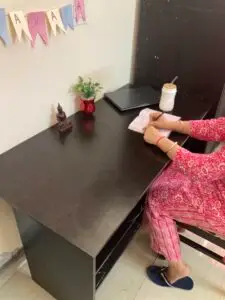
It wasn’t about ignoring the pain or pretending everything was fine. It was about acknowledging the good in my life, even in the face of immense hardship. Gratitude became my lifeline—a reminder that even though I had lost so much, there were still things worth appreciating. I learned to find joy in the simplest moments, like a warm cup of tea, a shared laugh with loved ones, or a phone call from someone checking in on me.
As I practiced gratitude more regularly, I noticed my anxiety start to ease. It didn’t happen overnight, but over time, I shifted from a mindset of scarcity—focusing on everything I had lost—to one of abundance, focusing on everything I still had.
It didn’t solve all the problems or magically make the debt disappear, but it gave me the emotional strength to take small steps toward rebuilding. With each passing day, I felt a little more hopeful, a little more resilient. Gratitude gave me perspective and grounded me in the present, helping me find peace amidst the chaos.
I don’t know what the future holds, but I’ve learned that no matter what happens, there is always something to be grateful for. Even in the hardest times, it’s possible to find light—and that light can guide you through the darkest moments.
How to Practice Gratitude
- Daily gratitude journaling: Write down three things you’re grateful for each day.
- Gratitude reminders: Set reminders to pause and reflect on what you’re thankful for, especially during tough moments.
- Express gratitude: Tell those around you how much you appreciate them.
For more on cultivating a gratitude practice, check out our post on How Gratitude Can Transform Your Life.
7. Make Your Finances Simpler: Spend Less, Enjoy Life More
To live a better life, you don’t need more money. In fact, I believe you can live a much better life with less. Too much money can complicate things. Saying this isn’t easy, as sacrificing desires doesn’t seem like it would make life beautiful—but from my personal experience, I can say this with confidence. For many years, I shared the mindset that I needed a lot of money, and I spent freely to keep up with that belief, yet I was never truly happy inside. I lived a lavish lifestyle, but everything changed when my husband faced a huge loss in his business, and there came a time when it became difficult to even afford two meals a day.
The lack of money devastated my life, and I had to give up many of my favorite things. I was left empty-handed. But even then, I tried to find happiness in less. What I realized during that difficult period was that I hadn’t lost happiness—I had only lost materialistic pleasures, and in return, my inner happiness grew. Financial stress is one of the biggest obstacles to true happiness, and simplifying your finances is key to living a simple life. By spending less on unnecessary things and focusing on what truly brings value to your life, you can feel more financially secure and less overwhelmed.
How to Simplify Your Finances
- Track your spending: Use a simple budgeting method, like the 50/30/20 rule.
- Cut unnecessary expenses: Evaluate where you can cut back, focusing on experiences and things that truly bring you joy.
- Build savings: Prioritize saving for long-term goals to reduce future financial stress.
For a more in-depth look at minimalist finance, check out our post on How to Simplify Your Finances for a Stress-Free Life.
Conclusion
Living a simple life does not mean that you spend your life in poverty but its purpose is to live such a life where human beings should know which things they get happiness from, with which people they get it and where it is very important to spend money.If you incorporate all these changes in your life and move towards the simple life you will feel the magical changes in your life.
“Have you made the decision to simplify your life? I’d love to hear your journey! Share your story in the comments below .Your experience could inspire someone else to take that first step.”