5 Biggest Reasons to Choose a Cast Iron Skillet Over a Nonstick Pan
If you’re buying a new pan for your kitchen, you may find yourself choosing between a cast iron skillet and a nonstick pan.
Nonstick pans are convenient. They’re lightweight, easy to clean, and require very little oil. But if you’re looking for cookware that can stay in your kitchen for years, a cast iron skillet has some serious advantages.
In fact, there are five big reasons why I choose cast iron over nonstick.
1. A Cast Iron Skillet Can Last for Decades
This is probably the biggest reason to consider cast iron.
A good cast iron skillet doesn’t have a synthetic nonstick coating that gradually wears away with use. With proper care, cast iron cookware can last for decades—and it’s common for well-maintained pieces to be passed down through families.
A nonstick pan, on the other hand, eventually needs to be replaced as its coating becomes worn or damaged.
So while a cast iron skillet may cost more initially, you’re buying something designed for long-term use.
Think of it as a kitchen investment rather than a disposable pan.
2. It Handles High Heat Extremely Well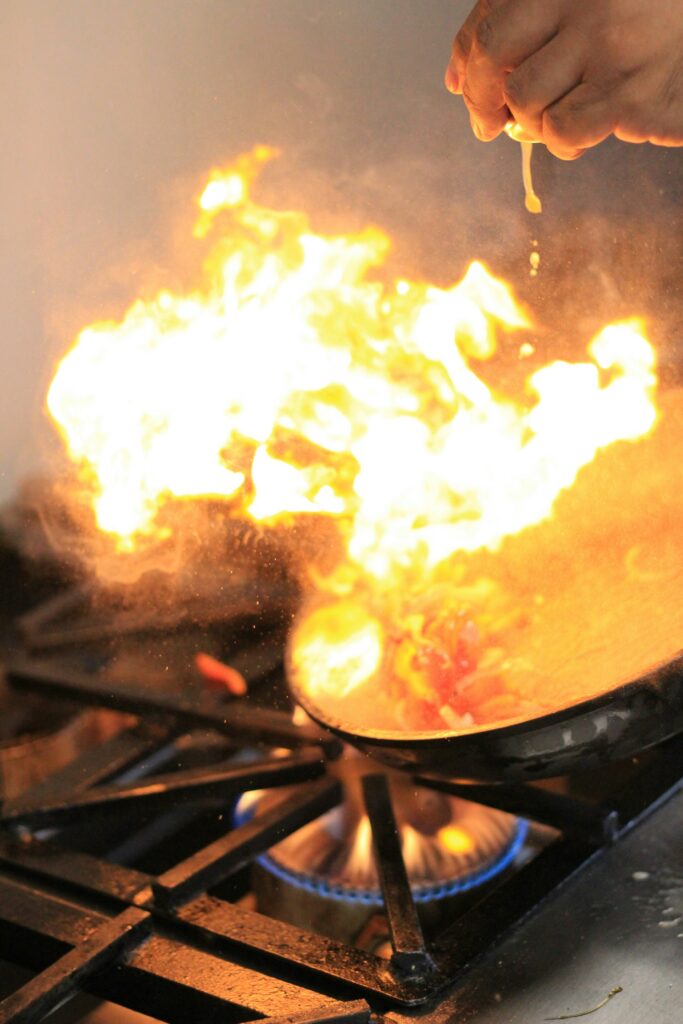
Cast iron is excellent at retaining heat.
Once properly heated, a cast iron skillet stays hot, which makes it useful for cooking foods that benefit from a good sear or consistent heat.
You can use it for:
- Steaks
- Burgers
- Roasted vegetables
- Chicken
- Cornbread
- Frittatas
- Sautéed vegetables
Nonstick cookware generally isn’t the first choice when you need very high heat.
If you enjoy cooking foods with a beautifully browned exterior, cast iron can be a great addition to your kitchen.
3. It Can Develop a Naturally Nonstick Cooking Surface
Here’s something many people don’t realize.
A well-seasoned cast iron skillet can develop a smooth cooking surface that becomes increasingly easy to cook with over time.
Seasoning means building layers of oil onto the surface of the cookware and heating them so they bond to the iron.
With regular use and proper seasoning, your skillet can become surprisingly nonstick.
It won’t behave exactly like a brand-new coated nonstick pan, but that’s part of the appeal: the cooking surface can improve with use instead of simply wearing out.
4. One Pan Can Handle Many Different Cooking Jobs
A cast iron skillet is incredibly versatile.
Depending on the type you buy, you can use it on the stovetop, in the oven, and even over a campfire.
You can start something on the stove and finish it in the oven without transferring it to another dish.
For example:
Sear chicken → add vegetables → transfer the skillet to the oven → serve.
That’s fewer dishes and less cleanup.
A cast iron skillet can also be useful for baking cornbread, making skillet cookies, roasting vegetables, and preparing one-pan meals.
For anyone trying to keep their kitchen simple, that versatility is a major advantage.
5. You Don’t Have to Worry About a Coating Peeling Off
One reason people eventually replace nonstick cookware is damage to the cooking surface.
With a cast iron skillet, there isn’t a synthetic nonstick coating to peel or flake away.
The surface you maintain is essentially seasoned iron.
That doesn’t mean cast iron requires no care. It does need to be dried properly and seasoned when necessary to help prevent rust.
But instead of replacing the entire pan because a coating has deteriorated, you can generally restore and reseason a cast iron skillet.
Cast Iron Skillet vs Nonstick Pan: Which Should You Choose?
The answer depends on how you cook.
| If you want… | Better choice |
| Long-term durability | Cast iron skillet |
| High-heat cooking | Cast iron skillet |
| Easy, lightweight cooking | Nonstick pan |
| Very little cleanup | Nonstick pan |
| Oven versatility | Cast iron skillet |
| A pan that can last for decades | Cast iron skillet |
| Cooking with minimal oil | Nonstick pan |
A nonstick pan is still a practical choice for foods such as eggs, pancakes, and delicate fish.
But if your priority is durability, versatility, and long-term value, a cast iron skillet deserves a place in your kitchen.
What to Look for When Buying a Cast Iron Skillet
If you’ve decided to try cast iron, don’t just choose the cheapest option.
Look for:
1. Pre-seasoned surface
A pre-seasoned skillet is easier for beginners because you can start cooking with it right away.
2. Comfortable handle
Cast iron is heavy, so a well-designed handle can make a big difference.
3. Pouring spouts
These can be useful when cooking with sauces, oils, or melted butter.
4. Suitable size
A 10- or 12-inch skillet is a versatile size for many households.
5. Good weight and construction
Cast iron is naturally heavy, but it should still feel comfortable and stable when you’re handling it.
Is a Cast Iron Skillet Worth It?
For many home cooks, yes.
If you want one hardworking piece of cookware that can handle everything from stovetop cooking to oven baking and potentially last for decades, a cast iron skillet is difficult to beat.
The biggest downside is that it is heavier and requires more care than a nonstick pan.
But if you’re willing to spend a little time learning how to season, clean, and dry it properly, that extra effort can pay off for years.
Final Verdict
Choose a cast iron skillet if you want durability, high-heat performance, versatility, and cookware that can stay in your kitchen for decades.
Choose a nonstick pan if your top priorities are lightweight handling, quick cooking, and easy cleanup.
You don’t necessarily have to choose only one, either.
For many kitchens, keeping one cast iron skillet and one nonstick pan makes sense because each performs different jobs well.
Ready to Try Cast Iron?
If you’re looking for your first cast iron skillet, compare the size, weight, pre-seasoning, handle design, and price before buying.
A good skillet doesn’t need to be complicated. Choose one that fits the way you actually cook—and it may become one of the most useful pieces of cookware in your kitchen.
When I first started looking for a new tawa, I was surprised by how many options were available. Some people swore by cast iron, while others loved the convenience of non-stick cookware.
If you’re trying to decide between a cast iron tawa and a non-stick tawa, the right choice depends on your cooking style, health priorities, and how much maintenance you’re willing to do.
Here’s a simple comparison to help you choose.
Cast Iron vs Non-Stick Tawa at a Glance
| Feature | Cast Iron Tawa | Non-Stick Tawa |
| Durability | Can last decades | Usually lasts 2–5 years |
| Health | Naturally chemical-free | Coating may wear over time |
| Oil Requirement | Moderate | Very little oil needed |
| Heat Retention | Excellent | Average |
| Maintenance | Requires seasoning | Easy to clean |
| Weight | Heavy | Lightweight |
| Price | Higher initial cost | Often more affordable |
Choose Cast Iron If…
A cast iron tawa is a great option if you:
- Cook rotis, parathas, dosas, or cheelas regularly
- Prefer traditional cookware
- Want a long-lasting kitchen investment
- Don’t mind seasoning and occasional maintenance
- Prefer cookware without synthetic coatings
- Many people also appreciate that cast iron develops a naturally non-stick surface over time when properly seasoned.
Pros of Cast Iron
✔ Extremely durable
✔ Excellent heat retention
✔ Naturally coating-free
✔ Can improve with age
Cons of Cast Iron
✘ Heavy to handle
✘ Needs seasoning
✘ Can rust if not cared for properly
Choose Non-Stick If…
A non-stick tawa may be better if you:
- Want quick and easy cooking
- Prefer lightweight cookware
- Cook eggs, pancakes, or delicate foods frequently
- Want minimal cleanup
Non-stick cookware is especially convenient for busy households where saving time matters.
Pros of Non-Stick
✔ Requires less oil
✔ Easy to clean
✔ Lightweight
✔ Beginner-friendly
Cons of Non-Stick
✘ Coating can wear out over time
✘ Usually needs replacement after a few years
✘ Can be damaged by metal utensils or high heat
Which One Is Healthier?
Many people prefer cast iron because it contains no synthetic coating and can be used for years without worrying about the surface wearing off.
However, a high-quality non-stick tawa used correctly can also be safe for everyday cooking. The key is to avoid overheating it and replace it when the coating becomes damaged.
My Recommendation
If you cook Indian meals daily and want a long-term investment, a cast iron tawa is often the better choice.
If convenience, easy cleaning, and lightweight cookware matter most to you, a non-stick tawa may fit your lifestyle better.
For many households, the ideal solution is actually having both: a cast iron tawa for rotis, parathas, and dosas, and a non-stick tawa for quick breakfasts and low-oil cooking.
At the end of the day, the best tawa is the one that matches your cooking habits and makes everyday life easier.