- Posted on August 21, 2026
- By Jyoti Yadav
- In Minimalist lifestyle
In 2026, What Are the Most Important Things We Need to Teach Our Kids About Minimalism?
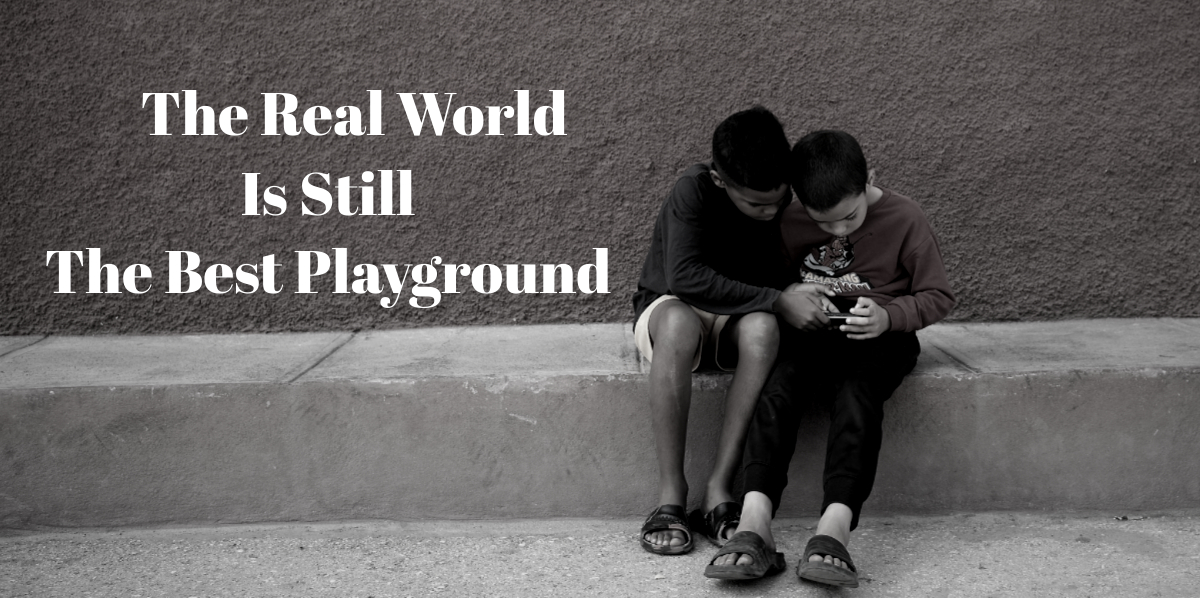
Over the past few years, the everyday lifestyle of most people has changed completely, and children have felt this shift just as much as adults. There was a time when kids would rush to the park the moment they got home from school. Today, they rush toward a mobile phone or laptop instead. This is the story in almost every household now. My own daughter is the same way. The moment she’s home from school, she’s asking for the phone, and her daily routine has become predictable: turn on the AC, start scrolling, and forget everything else.
I feel that the old definition of minimalism, “own less, teach good habits,” isn’t enough anymore. We need a new chapter of minimalism, one focused on how we bring minimalism into our children’s digital world. How do we teach them that they don’t need to buy every new phone that hits the market, or follow every fashion trend that comes along? There are so many areas where minimalism matters now, and I want to focus on the habits that seem to be troubling most parents today.
Many parents are spending a large share of their income on things that aren’t really their children’s needs, but demands created by digital and consumer culture. As a parent, this worries me deeply, because our children are getting pulled deeper and deeper into this digital trap. Any parent who manages to take control of this wisely today, and teaches their child minimalism, will come out ahead in the long run. Let’s look at where exactly children need to learn minimalism.
1. Minimalism With Smartphones
Every year there’s a new phone, a better camera, more storage, a race for the newest features. But the truth is that many children use their phones far more for entertainment than for studying. As a parent, think about how heartbreaking it is when the money you spend isn’t teaching your child anything, but instead making them addicted. That’s why it’s important to keep this habit in check, and give your child gadgets only when genuinely needed, otherwise you’ll exhaust yourself trying to keep up with their wants.
Minimalism here means:
- Using the phone as a tool, not a toy
- Not turning it into a status symbol
- Not handing over a smartphone before it’s truly needed
2. Minimalism on Social Media
Social media is playing a huge role in leading children astray. This might sound harsh to some parents, but it’s the truth. Posting content, making reels, wanting to become an influencer — all of this pulls kids away from studying and toward social media instead. That’s why it matters to not let them create too many accounts, and if they insist, become their followers yourself so you can keep an eye on their activity and guide them toward the kind of content that’s actually good for them. Along with this, set clear time limits.
Not every child needs a social media account.
3. Minimalism in Online Gaming
Where children used to be interested in outdoor games, digital gaming interest is growing fast. The result is that kids stay glued to games day and night. We’re hearing more and more stories of children gaming late into the night and not getting proper sleep, which leads to stress, depression, and in some extreme cases, even suicidal thoughts. As a parent, you need to bring minimalism into gaming too — keep an eye on how much time is being spent, so your child can balance both study and play.
- Gaming itself isn’t bad.
- But when gaming eats up several hours every single day, it becomes a problem.
- Parents should give equal importance to screen-free activities.
4. Minimalism With Toys
We parents have a habit of giving in to our children’s demands, sometimes out of an emotional belief that “I’m working hard for my kids anyway.” But this is exactly where we make a big mistake — because children understand this pattern very well, and they learn exactly how to get their way with you. They use the same trick again and again.
Give your children only as many toys as won’t clutter your home, and that genuinely support their mental development. Teach them to be content with what they have, and only get them a new toy after a gap of, say, six months. This builds patience, and teaches them to value what they already own.
Many children today have so many toys that they don’t even touch half of them.
Fewer, but meaningful, toys:
- Build creativity
- Build concentration
- Teach gratitude
5. Minimalism in Clothes and Fashion Trends
Kids don’t need to follow every trend. Because of social media, children today are influenced by brands and fashion very quickly. Teach them that wearing nice clothes matters, but chasing every trend does not. Always remind them that what they already have is enough.
6. Minimalism in Activities
Many children today have a schedule busier than adults’: tuition, coaching, classes, competitions. Filling every single minute can take away a real childhood. Children also need free time — time to think, to be bored, to be creative. Give them only as many activities as they actually need; over-scheduling them makes them irritable.
7. Minimalism in Digital Subscriptions
Whether it’s a phone or a laptop, tempting apps are everywhere, all designed to grab your child’s attention — even study apps have joined this race now. But not every app is necessary for your child. Don’t fill your child’s life with apps and subscriptions without first understanding their pros and cons. Give your children only the apps and subscriptions that are truly necessary, and keep the number limited.
Netflix, YouTube Premium, gaming passes, learning apps, AI tools — many families are spending thousands every month on subscriptions. Not every app is essential.
8. Minimalism With Junk Food
This is a very important area where minimalism matters a lot, because food delivery apps have made it so easy to get food delivered straight to your door that people now often prefer ordering out over eating a home-cooked meal. Don’t let your child order junk food whenever they please — it should be your decision how much junk food is allowed in their life.
Food delivery apps have made junk food dangerously convenient. A simple home-cooked meal doesn’t just give children good health, it also teaches them self-control.
9. Minimalism in Comparison
Today’s child doesn’t just compare themselves to a classmate. They compare themselves to influencers from around the world. Minimalism teaches them: “You don’t need to become like everyone else.”
10. Minimalism With AI and Technology
In 2026, AI tools are everywhere. Learning to use AI is important, but letting AI do every homework assignment, solve every problem, and handle every creative task can weaken a child’s ability to think for themselves. Use technology, but don’t become dependent on it.
Where Parents Are Spending the Most Money Today
Today, a large share of many families’ spending goes toward:
- Smartphones and gadgets
- Gaming purchases
- Paid subscriptions
- Branded clothing
- Fast food and food delivery
- Trend-based toys
- Impulsive shopping driven by social media
Reports show that children today have a significant influence on family purchasing decisions, and social media keeps fueling their desire to buy more.
Final Thoughts
I believe that in 2026, the area where children most need to learn minimalism isn’t their wardrobe or their toy box — it’s the mobile screen. If we can teach them that their happiness doesn’t depend on likes, followers, gadgets, or the next big trend, we won’t just be raising minimalists. We’ll be raising calmer, more content human beings.
Frequently Asked Questions
1. What does “digital minimalism” mean for kids?
It means teaching children to use technology — phones, social media, gaming, apps — with intention and limits, rather than letting it take over their time and attention. It’s not about banning technology, but about making sure it serves a purpose instead of becoming a habit that controls them.
2. At what age should I give my child a smartphone?
There’s no single “right” age, but the key idea is to delay it until it’s genuinely needed (for example, safety or communication), rather than because of peer pressure or trends. The longer you can frame the phone as a tool rather than a status symbol, the easier it is to keep healthy habits later.
3. How much screen time is okay for children?
This article doesn’t prescribe an exact number, since needs vary by age and family. The general principle is balance: enough screen time for necessary use (schoolwork, limited entertainment) while protecting sleep, outdoor play, and offline activities.
4. How can I stop my child from spending too much time gaming?
Set clear time limits, encourage screen-free activities as an equal priority, and stay alert to signs like disrupted sleep, mood changes, or withdrawal from other activities. Gaming itself isn’t the problem — it’s when it consumes several hours daily that it starts to cause harm.
5. Should my child have a social media account?
Not every child needs one. If you do allow it, the article suggests following your child’s account yourself so you can stay aware of their activity, guiding them toward better content, and setting time limits.
6. How do I stop buying too many toys or things my kids don’t need?
Focus on toys that support development — creativity, concentration — rather than quantity. Waiting a few months (the article suggests around six) between new toys helps children learn patience and appreciate what they already have.
7. How does minimalism reduce family spending?
By cutting back on things driven by trends or impulse — extra gadgets, subscriptions, branded clothes, food delivery, trend-based toys — families spend less on non-essentials and more intentionally on what actually matters.
8. Is using AI tools bad for children?
No — learning to use AI is valuable. The concern is over-reliance: letting AI complete every homework assignment or solve every problem for them, which can weaken their own ability to think and solve problems independently.
9. How can junk food and food delivery apps be managed with minimalism?
Limit how often your child can order junk food, and make that a parental decision rather than an on-demand choice. Home-cooked meals not only support health but also teach self-control.
10. What’s the main takeaway for parents in 2026? T
he biggest area needing minimalism isn’t physical belongings — it’s the digital world. Helping children find happiness independent of likes, followers, gadgets, and trends raises not just minimalists, but calmer, more content individuals.